Diamond Chainsaw vs Cut-Off Saw for Concrete
When tackling concrete cutting projects, selecting the right tool is paramount for efficiency, safety, and achieving optimal results. Two primary contenders often come to mind for professionals: the diamond chainsaw and the cut-off saw. Both offer powerful solutions, but their design and operational strengths cater to different demands on the job site. At Diamond Blade Warehouse, we understand the critical nature of these decisions, and this guide aims to clarify which tool is best suited for your specific concrete cutting needs.
Diamond Chainsaw: Precision in Depth and Corners
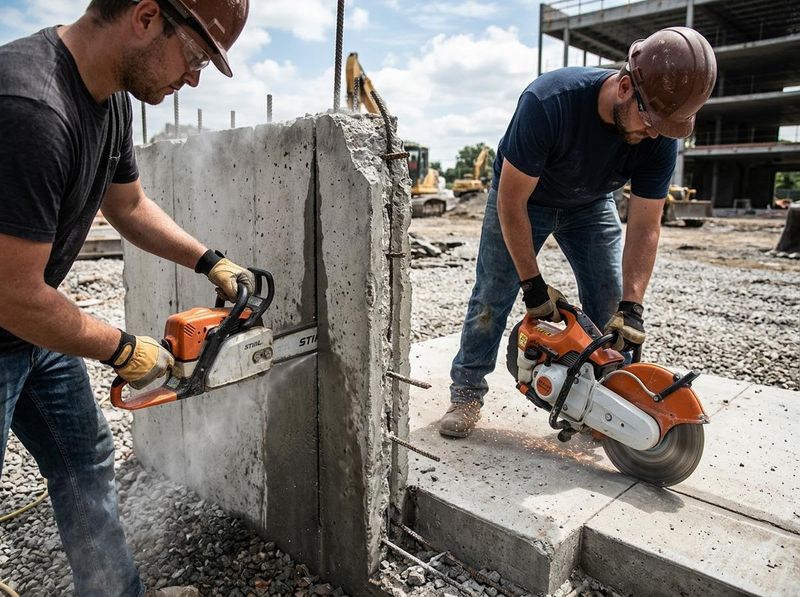
The diamond chainsaw stands out for its unique ability to make deep, plunge cuts and perfectly square corners without overcuts, a capability unmatched by traditional circular saws. This makes it an invaluable tool for tasks like creating door and window openings, trenching, or intricate demolition work where precision at depth is critical. Its chain, embedded with industrial diamonds, allows it to slice through concrete, masonry, and even some reinforced materials with remarkable control. The design also often facilitates wet cutting, effectively managing dust and cooling the chain for extended life and performance, a crucial aspect of wet vs dry concrete cutting.
Cut-Off Saw: Speed and Versatility for Straight Lines
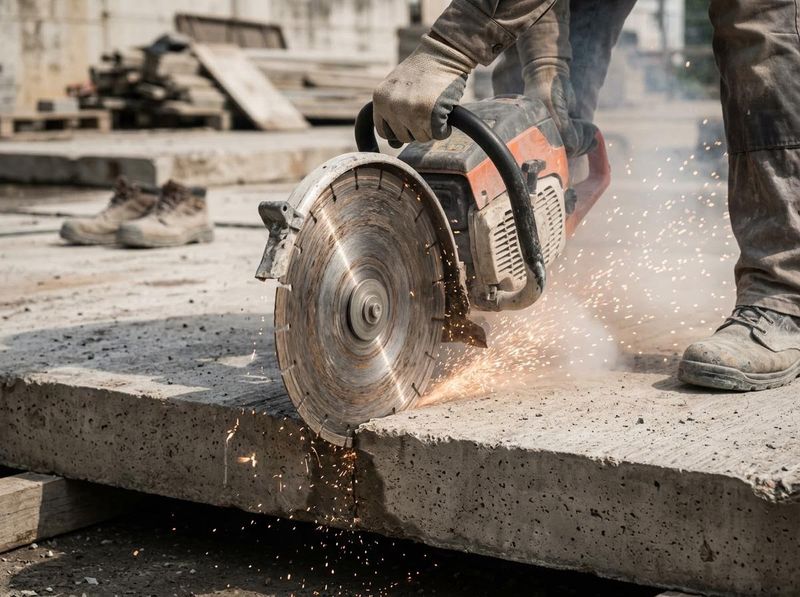
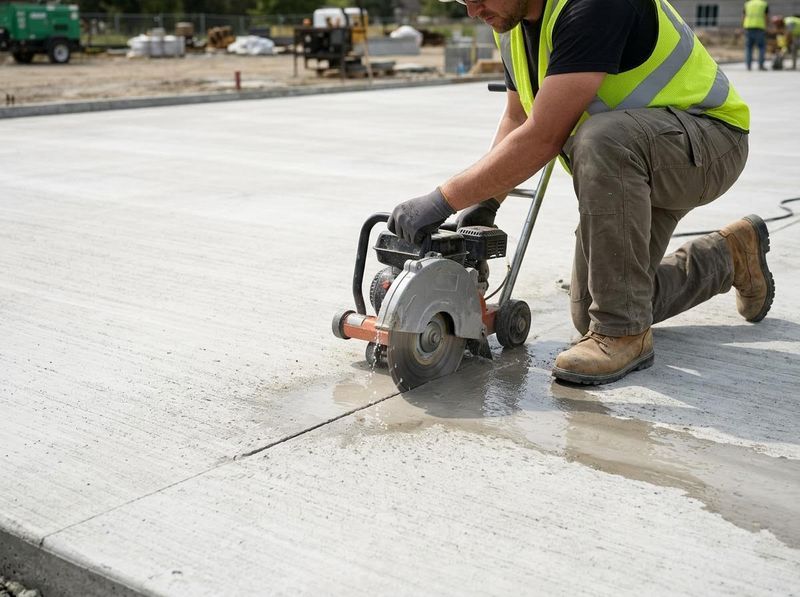
Conversely, the cut-off saw, often known as a power cutter or demo saw, excels at making fast, straight cuts in concrete, asphalt, and metal. Its circular diamond blade delivers high rotational speed, making it ideal for tasks requiring rapid sectioning, trimming, or creating expansion joints. These saws are typically lighter and more maneuverable for surface-level work, making them a go-to for many jobsite foremen and independent subcontractors. While they may not achieve the same depth or square corners as a diamond chainsaw, their speed and ease of use for general cutting applications are undeniable.
Choosing the Right Tool: Key Considerations
Deciding between a diamond chainsaw and a cut-off saw boils down to the specifics of your project. For deep cuts (beyond 6 inches), creating precise openings, or tackling corners that must be perfectly square, the diamond chainsaw is the superior choice. Its ability to maneuver in confined spaces can also be a significant advantage. However, for shallower, straight cuts in large areas, or when working with various materials including asphalt or how to cut ductile iron pipe, the cut-off saw often proves more efficient. When considering how to choose a diamond blade, remember that both tools require blades specifically designed for the material and application. For instance, selecting the best diamond blade for reinforced concrete will differ significantly from choosing the best masonry saw blade, influencing the tool’s performance and longevity. Factor in power source, operator comfort, and the overall job environment, especially when deciding on wet vs dry concrete cutting methods for dust suppression and blade cooling.
Conclusion
Both diamond chainsaws and cut-off saws are indispensable high-performance tools in the concrete cutting industry, each offering distinct advantages for different job requirements. Understanding their strengths allows professionals, from purchasing managers to demolition crews, to equip their teams with the most effective solution. Whether you need the deep, precise cuts of a diamond chainsaw or the rapid, straight-line efficiency of a cut-off saw, Diamond Blade Warehouse provides the innovative tools and reliable expertise to power your projects. Explore our comprehensive selection to find the perfect cutting solution for your next demanding task.