How to Match Your Diamond Blade RPM to Your Saw
Achieving peak performance and ensuring safety on the job site hinges on numerous factors, not least among them the precise synchronization of your diamond blade’s speed with your saw’s capabilities. At Diamond Blade Warehouse, we understand that selecting the right tool is only half the battle; knowing how to optimize its use is what truly delivers high-performance results. This guide will delve into the critical aspects of matching your diamond blade’s RPM to your saw, ensuring efficient cuts and prolonged blade life.
The Critical Relationship Between Blade and Saw Speeds
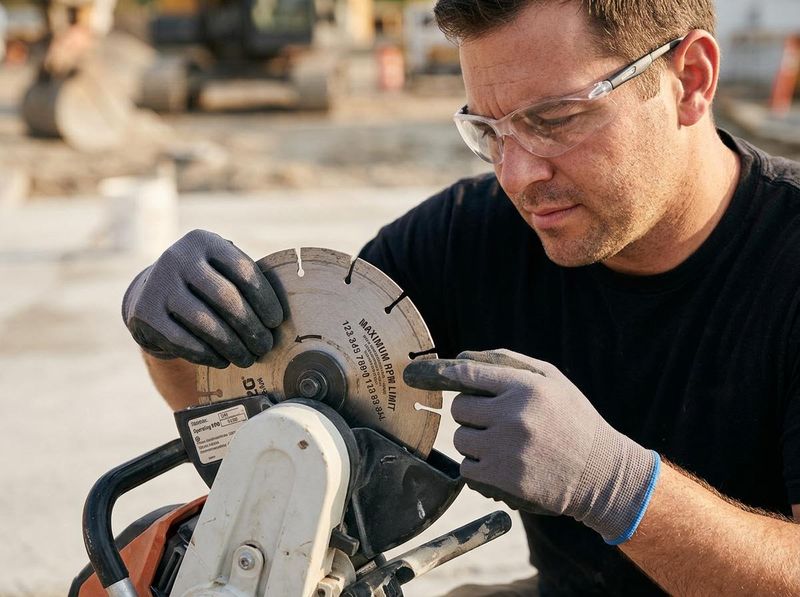
The rotational speed of your saw, measured in Revolutions Per Minute (RPM), directly translates to the cutting speed of your diamond blade. Every diamond blade is engineered with a maximum safe operating RPM, which is typically printed on the blade itself. Exceeding this limit is a significant safety hazard, risking blade disintegration and serious injury. Conversely, operating a blade at an RPM significantly lower than its optimal range can lead to inefficient cutting, premature blade wear, and glazing, where the diamond segments become polished and lose their cutting ability. Understanding this relationship is fundamental for any professional aiming for both safety and productivity.
Identifying Your Blade’s Limits and Saw’s Output
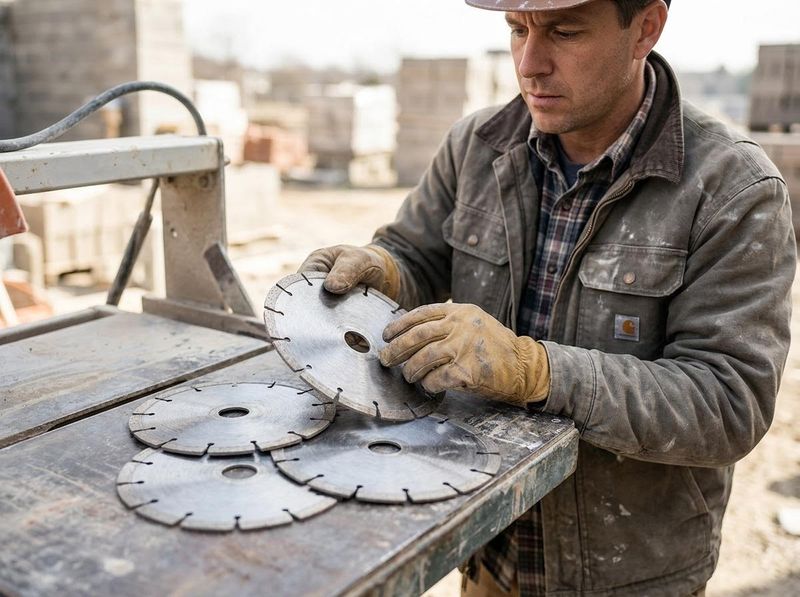
To match your blade and saw correctly, first identify the maximum RPM rating on your diamond blade. Next, determine the operating RPM of your saw. Most saws have this information clearly labeled, often near the blade guard or on the motor housing. It’s crucial that the saw’s operating RPM never exceeds the blade’s maximum safe RPM. When the saw’s RPM is within the blade’s acceptable range, you are poised for safer and more effective cutting. This alignment is vital for avoiding common job site issues and ensuring your tools operate as reliably as possible.
Beyond RPM: Factors Influencing Optimal Cutting Speed
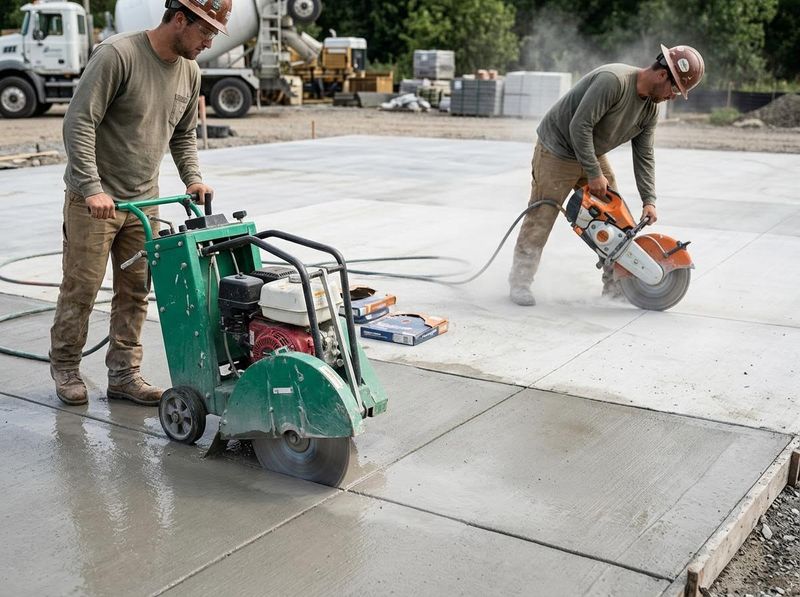
While matching RPM is a starting point, true optimization involves considering the blade’s peripheral speed (Surface Feet Per Minute or SFPM) and the material being cut. Different materials, from soft asphalt to hard concrete, demand varying cutting speeds for optimal segment wear and efficiency. For instance, when deciding how to choose a diamond blade, you’ll find that a best diamond blade for reinforced concrete requires different operational parameters than a best masonry saw blade. Factors like the material’s hardness, the blade’s diameter, and whether you are performing wet vs dry concrete cutting all influence the ideal operating speed. Wet cutting, for example, often allows for higher speeds due to superior cooling and debris removal. Always consult the blade manufacturer’s recommendations for specific material applications to maximize performance and lifespan.
Precision for Specific Applications
The type of material you’re cutting dictates not just the blade but also the precision required in RPM matching. For challenging tasks like how to cut ductile iron pipe, using a specialized blade at its recommended peripheral speed is paramount. Too fast, and you risk rapid segment wear; too slow, and you might experience glazing or extremely slow progress. Experienced operators know that tailoring the saw’s power delivery to the blade’s design for the specific task at hand is key to achieving consistent, high-quality results and extending the life of their valuable tools.
Achieving the perfect synergy between your diamond blade and saw is more than just a best practice; it’s a cornerstone of safety, efficiency, and cost-effectiveness on any project. By carefully matching RPMs and considering the nuances of different materials and cutting techniques, you empower your team to work smarter, not harder. For in-depth specifications and expert guidance on selecting the ideal blade for your equipment and application, explore the comprehensive resources available at Diamond Blade Warehouse.