Green Concrete vs Cured Concrete: Cutting Guide
Navigating the distinct challenges of cutting concrete requires an understanding of its state: green or cured. The differences between these two stages of concrete are profound, influencing everything from the equipment used to the techniques employed, and ultimately, the efficiency and success of your project. At Diamond Blade Warehouse, we understand that selecting the right tools and knowing the proper methods are crucial for achieving high-performance results and extending the life of your valuable diamond blades.
The Nuances of Green Concrete Cutting
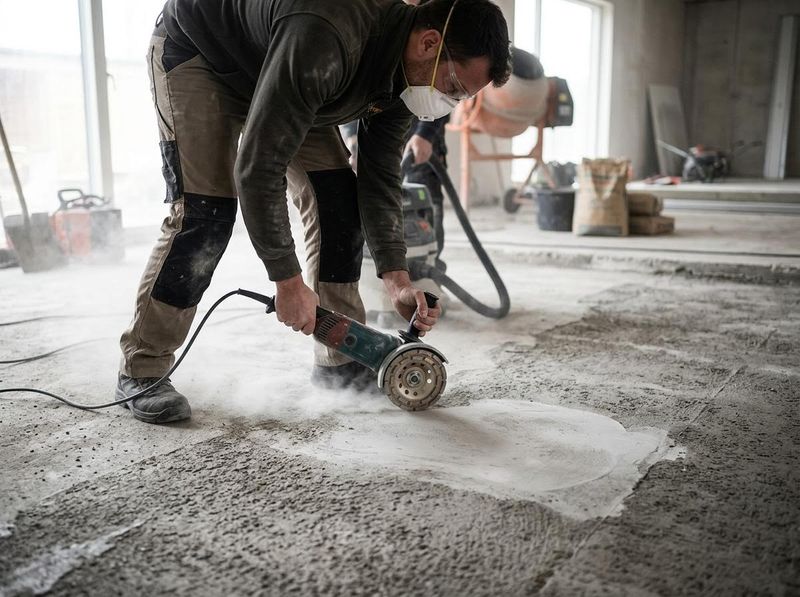
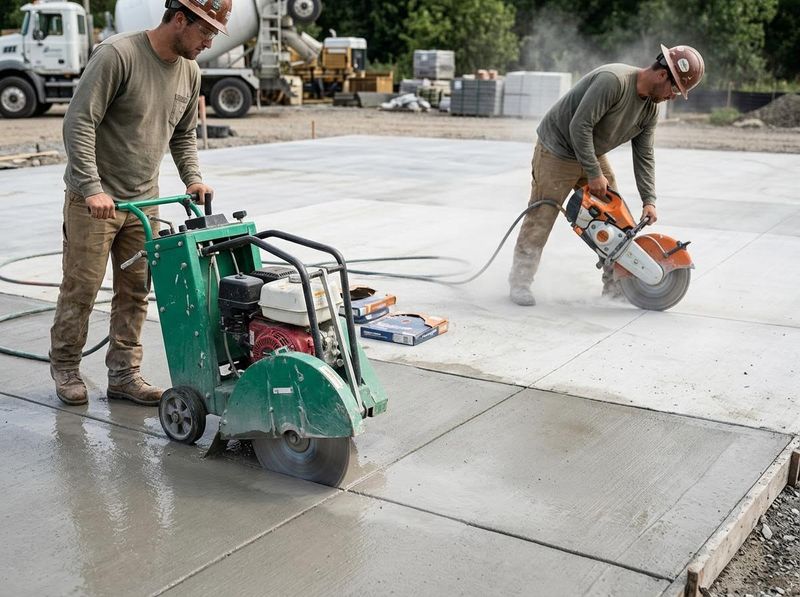
Green concrete refers to newly poured concrete that has begun its initial set but is not yet fully cured. This material is highly abrasive due to the presence of uncured cement and sand particles, making it particularly challenging to cut without the right approach. Cutting green concrete, often called “early entry” cutting, is typically performed within 1 to 24 hours after pouring, primarily to control random cracking caused by drying shrinkage. Blades designed for green concrete usually feature softer bonds to allow new diamonds to be exposed quickly, maintaining a sharp cutting edge against the abrasive material. Ignoring these differences can lead to premature blade wear and inefficient cuts, underscoring the importance of understanding the material.
Mastering Cured Concrete Challenges
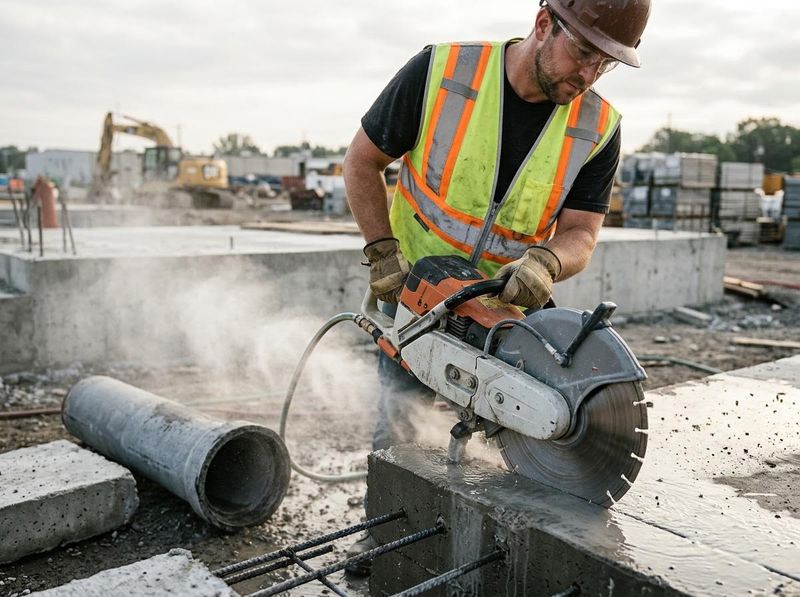
Once concrete has fully hardened and achieved its maximum compressive strength, it becomes “cured concrete.” This material is significantly harder and more dense than green concrete, often containing tough aggregates and sometimes steel reinforcement. Cutting cured concrete demands more robust blades with harder bonds that can withstand the increased friction and pressure. When dealing with structures containing rebar, identifying the best diamond blade for reinforced concrete becomes paramount. These specialized blades feature tougher diamond segments and stronger bonds designed to slice through steel without excessive wear. Techniques for cured concrete often involve more powerful saws and a greater emphasis on consistent feeding to prevent blade glazing or overheating.
Strategic Blade Selection and Cutting Methods
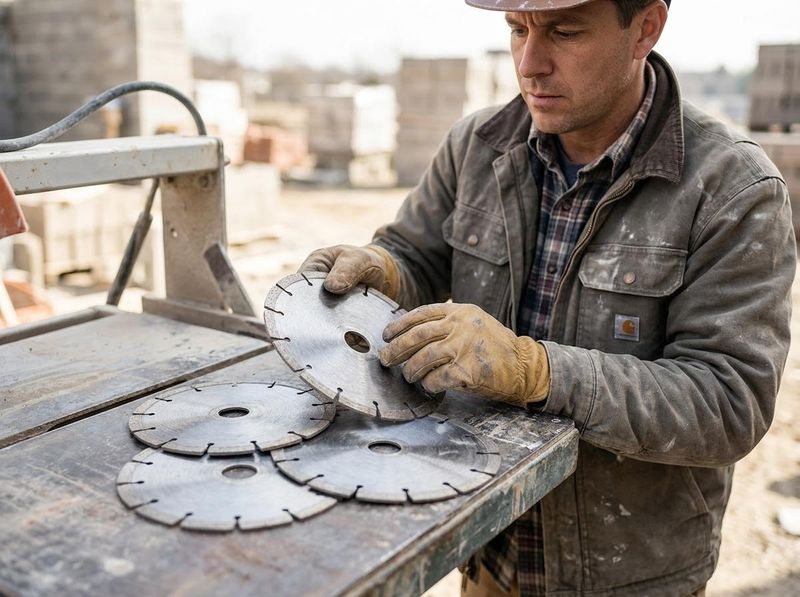
The effectiveness of any concrete cutting project hinges on how to choose a diamond blade appropriate for the job. For green concrete, look for blades with a soft metal bond. For cured concrete, a harder bond is generally required to stand up to the abrasive wear. Beyond bond hardness, factors like diamond concentration, segment height, and core design play critical roles. Answering questions like whether to use wet vs dry concrete cutting is also essential. Wet cutting offers cooling and dust suppression, extending blade life and improving safety, particularly for cured concrete. Dry cutting, while convenient for smaller jobs, generates more dust and heat, demanding blades specifically designed to dissipate heat without water. While the focus here is concrete, knowing how to cut ductile iron pipe or selecting the best masonry saw blade for other construction materials also follows similar principles of matching blade specifications to material properties for optimal performance and value.
Conclusion
Understanding the fundamental differences between green and cured concrete cutting is not just about technique; it’s about making informed decisions that drive efficiency and economy on the job site. By selecting the correct blades and employing the appropriate cutting methods, you ensure higher productivity, safer operations, and greater longevity for your equipment. Our extensive experience at Diamond Blade Warehouse means we’re committed to providing the innovative solutions and high-performance tools you need for every cutting challenge. We invite you to explore our comprehensive range of diamond blades and cutting accessories to find the precise tools that will elevate your next project.