How To Choose The Best Diamond Blade For Concrete
Selecting the perfect diamond blade for concrete work is a critical decision that directly impacts job efficiency, safety, and the quality of your results. At Diamond Blade Warehouse, we understand that professionals from jobsite foremen to procurement officers need tools they can rely on to deliver peak performance. This guide will walk you through the essential considerations for how to choose a diamond blade, ensuring your investment leads to maximum productivity on every project.
Understanding Your Concrete Cutting Needs
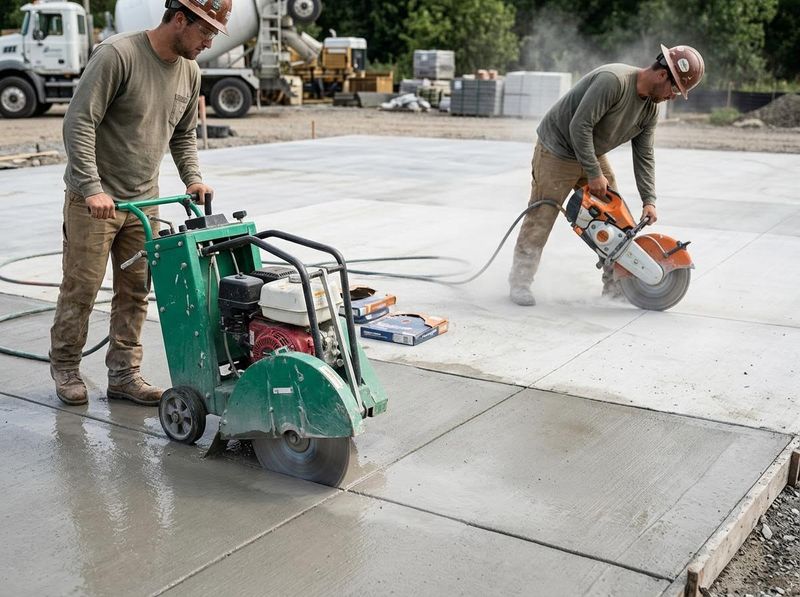
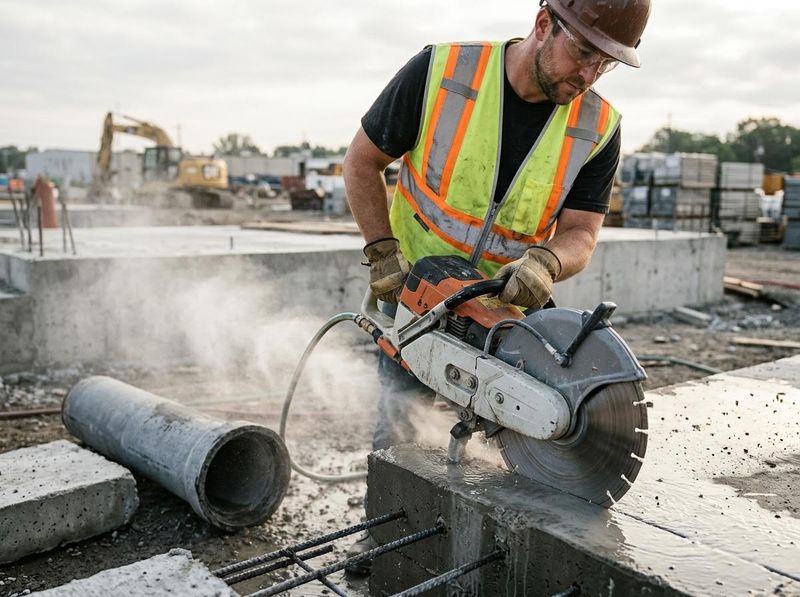
The first step in selecting the right diamond blade is to clearly define your application. Are you cutting green concrete, cured concrete, or something else entirely? The composition of the concrete, including the hardness of its aggregate, significantly influences blade choice. Another key consideration is whether you’ll be performing wet vs dry concrete cutting. Wet cutting typically offers longer blade life, faster cutting speeds, and dust suppression, which is often crucial for safety and regulatory compliance. Dry cutting, while convenient for smaller jobs or where water isn’t accessible, generates more dust and can wear blades down faster due to increased friction and heat. Matching the blade’s bond hardness to the material’s abrasiveness is fundamental for optimal performance.
Key Factors for Optimal Blade Selection
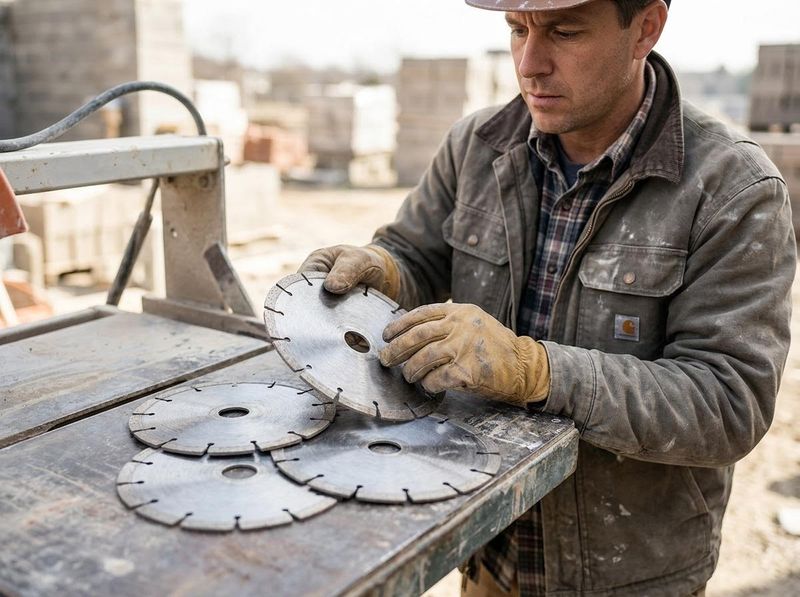
When considering how to choose a diamond blade, several factors come into play beyond just the concrete type. The presence of steel reinforcement is a major determinant; cutting through rebar requires a blade specifically designed to handle metal, making the best diamond blade for reinforced concrete a necessity for such tasks. These blades often feature tougher diamonds and specialized segment designs to prevent premature wear. Furthermore, the power and type of your cutting equipment—be it a walk-behind saw, handheld saw, or block saw—will dictate the appropriate blade diameter and arbor size. Blades also vary by segment height, diamond concentration, and bond strength, all of which contribute to the blade’s longevity and cutting speed in specific materials.
Versatility for Diverse Jobsite Demands
Beyond standard concrete, job sites often present a variety of materials requiring specialized cutting solutions. For instance, contractors frequently encounter situations where they need to cut ductile iron pipe. This requires a blade with specific characteristics to handle the tough, fibrous nature of the material efficiently and safely, often differing from those used for concrete. Similarly, for projects involving bricks, blocks, or pavers, identifying the best masonry saw blade ensures clean cuts and avoids material damage. These specialized blades are engineered with unique diamond matrices and bond formulations to excel in their intended applications, providing superior performance and extending tool life across different challenges.
Conclusion
Choosing the appropriate diamond blade is not merely about finding a cutting tool; it’s about investing in efficiency, safety, and the overall success of your construction projects. By considering the material, the cutting method (wet vs dry concrete cutting), and the presence of challenging elements like rebar, you empower your team with the right equipment for the job. Whether you’re seeking the best diamond blade for reinforced concrete or advice on how to cut ductile iron pipe, Diamond Blade Warehouse offers an extensive selection and expert insights to guide your decisions. To explore our comprehensive range of high-performance cutting solutions and find the perfect blade for your specific needs, we invite you to consult our detailed product guides and customer support resources.