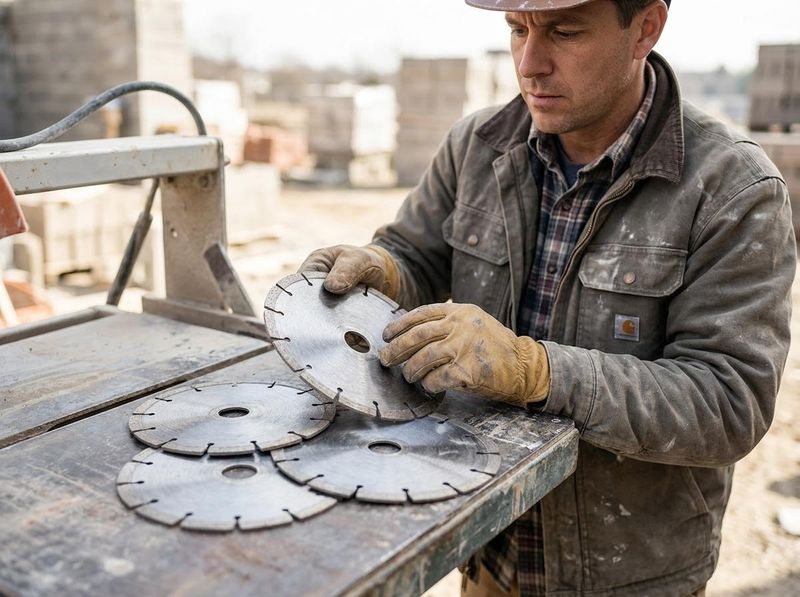
Extend Your Diamond Blade Life With Expert Tips
For professionals in construction, concrete work, and demolition, diamond blades are indispensable tools. Extending the life of these high-performance assets isn’t just about saving money; it’s about maximizing efficiency, maintaining project timelines, and ensuring consistent quality on every job. At Diamond Blade Warehouse, we understand the demanding environments our customers face, and we’re committed to providing not only top-tier products but also the expert knowledge to help you get the most out of your investment.
Matching the Blade to the Task: Precision in Selection
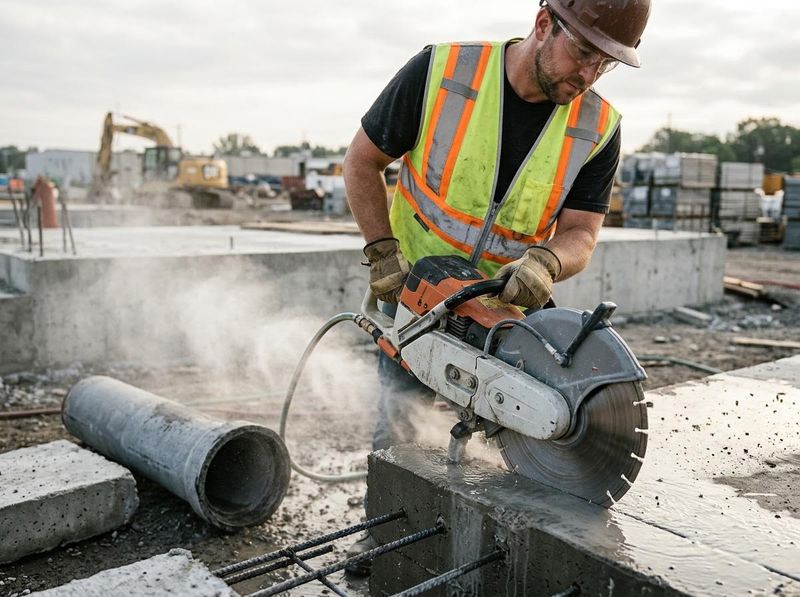
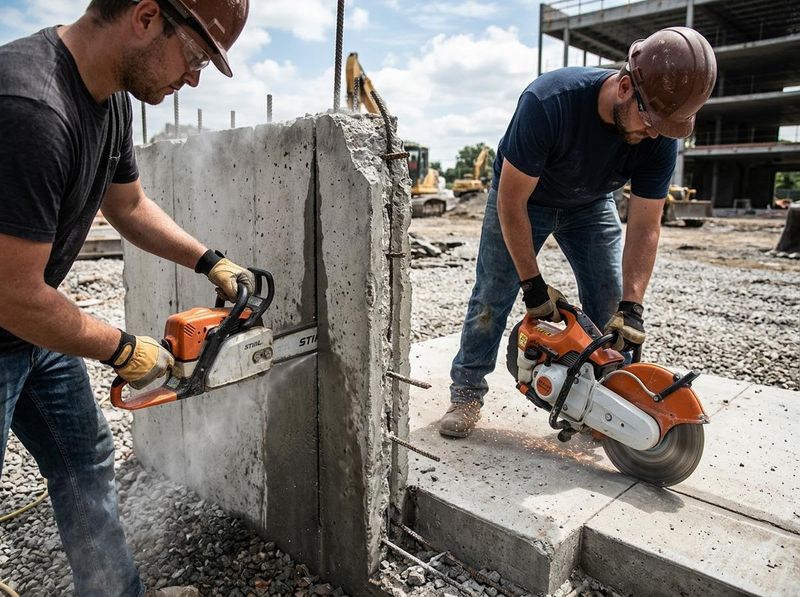
The foundation of blade longevity begins with selecting the correct tool for the specific application. Understanding how to choose a diamond blade involves considering the material’s hardness, aggregate type, and the power of your cutting equipment. Using a blade designed for soft, abrasive materials on hard, dense concrete will lead to rapid wear, while a blade for hard materials on soft concrete can glaze and stop cutting. For instance, the best diamond blade for reinforced concrete will feature a harder bond and higher diamond concentration to withstand the abrasive action of aggregate and rebar, ensuring durability and cutting speed. Similarly, when seeking the best masonry saw blade, you’ll look for specific segment designs tailored for brick, block, and stone, which often require different characteristics than blades used for concrete.
Mastering Cutting Techniques: Efficiency and Endurance
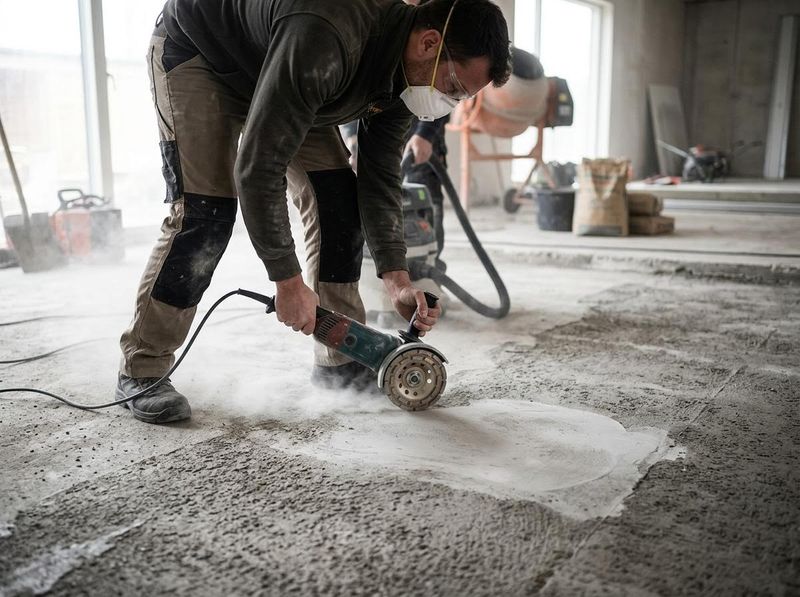
Proper cutting techniques are crucial for optimizing blade life and performance. Consider wet vs dry concrete cutting: wet cutting, using water to cool the blade, significantly reduces heat buildup, minimizes segment wear, and suppresses dust, making it ideal for continuous, deep cuts and harder materials. Dry cutting, while convenient for shorter, intermittent cuts or when water isn’t feasible, generates more heat and dust, which can accelerate blade wear if not managed correctly. Furthermore, knowing how to cut ductile iron pipe requires a blade specifically designed for metal, often with a vacuum-brazed or electroplated bond, and careful attention to consistent pressure and cooling to prevent segment loss and maintain a clean cut. Avoiding excessive force, maintaining a consistent feed rate, and allowing the blade to do the work are paramount.
Proactive Maintenance and Proper Storage
Even the highest quality diamond blade benefits immensely from routine care. Regularly inspect your blades for signs of wear, damage, or glazing. A glazed blade, where the diamonds are no longer exposed, can often be “dressed” by cutting into an abrasive material like an old concrete block or a dressing stick, which re-exposes the diamonds and restores cutting efficiency. After use, clean your blades thoroughly to remove debris, which can otherwise harden and interfere with future cuts or cause imbalances. Proper storage is equally important; store blades flat or on a rack in a dry environment to prevent warping or damage to the segments. Protecting the blade’s core and diamond segments from impact or corrosion ensures they’re ready for peak performance on your next job.
Elevating Your Performance with Informed Decisions
Maximizing the lifespan of your diamond blades is an art and a science, blending astute selection with disciplined technique and meticulous care. By embracing these expert tips, you not only extend the operational life of your tools but also enhance the overall productivity and safety of your operations. Our commitment at Diamond Blade Warehouse is to empower professionals with high-performance cutting solutions and the insights to use them effectively. For more detailed guides and to explore our extensive range of innovative, value-driven tools engineered for reliability, we invite you to consult our comprehensive product resources.