Essential Safety Practices For Diamond Blade Users
Operating high-performance equipment on any job site demands an unwavering commitment to safety, and the use of diamond blades is no exception. These powerful tools, while essential for efficient cutting across diverse materials, require precise handling and adherence to established protocols to ensure the well-being of every professional. At Diamond Blade Warehouse, we understand that reliable tools go hand-in-hand with robust safety practices, which is why we’re sharing these critical guidelines to help you maintain a secure and productive work environment. Prioritizing safety is not just about compliance; it’s about safeguarding your team, your equipment, and your project timelines.
Equip for Success: Personal Protective Equipment (PPE) and Pre-Checks
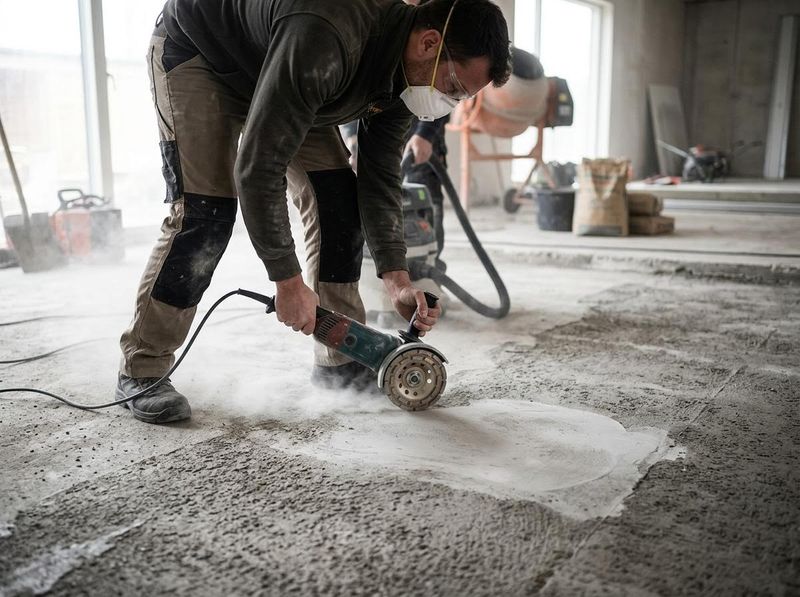
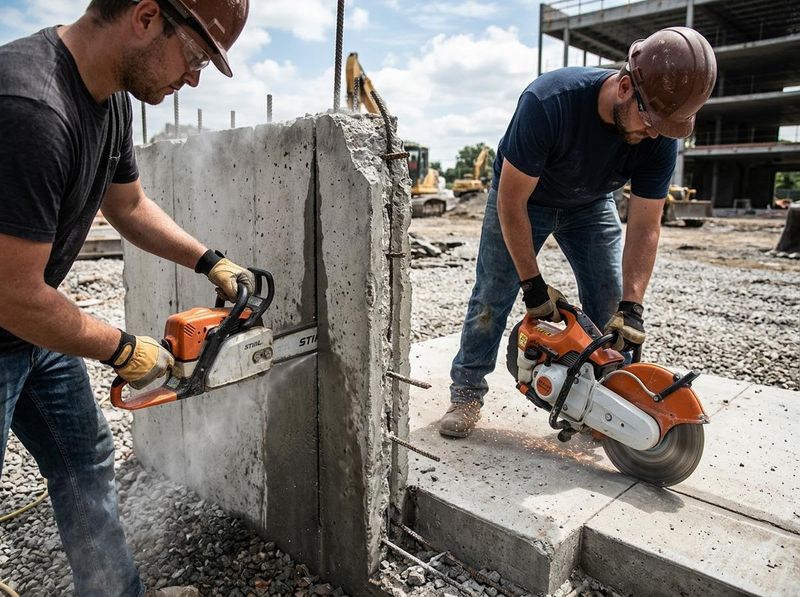
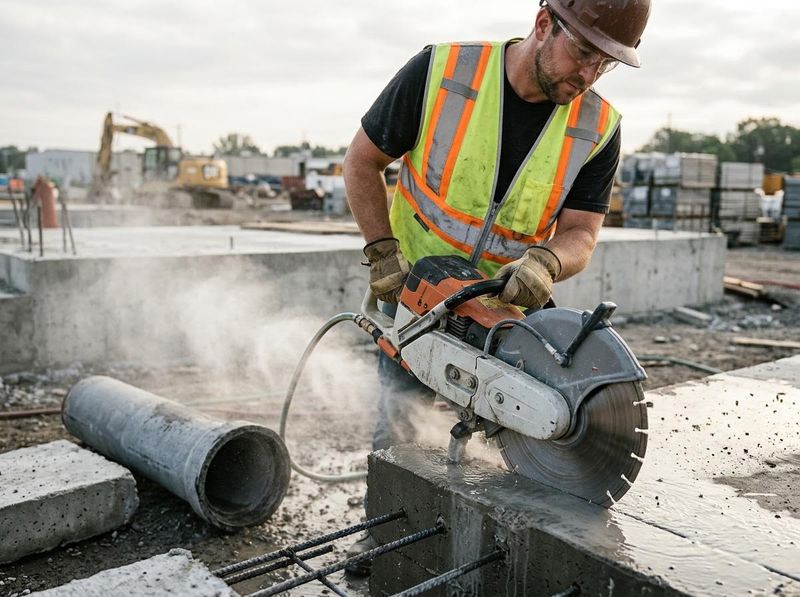
Before you even think about powering up your saw, a thorough pre-operation check and the correct personal protective equipment are non-negotiable. Always inspect your diamond blade for any signs of damage, cracks, or excessive wear; a compromised blade can shatter and cause severe injury. Ensure all guards are in place and functioning correctly on your saw. For PPE, this means wearing impact-resistant safety glasses or a face shield, hearing protection to guard against high decibel levels, heavy-duty gloves for grip and protection, and steel-toed boots. Depending on the cutting environment, respiratory protection may also be necessary to prevent inhalation of dust, especially during dry cutting operations, and a hard hat is essential on most job sites.
Blade Selection and Material Mastery
Choosing the right diamond blade for the specific material and application is paramount for both efficiency and safety. Understanding the nuances of wet vs dry concrete cutting is critical; wet cutting typically reduces dust and blade friction, extending blade life and improving safety, while dry cutting requires specific blade types and enhanced dust management. When considering how to choose a diamond blade, factors such as aggregate hardness, material thickness, and saw horsepower all play a role. For instance, the best diamond blade for reinforced concrete will feature a different bond and segment design than the best masonry saw blade, which is designed for brick or block. Moreover, specialized tasks like how to cut ductile iron pipe demand blades designed to handle the material’s unique properties, often requiring specific cutting techniques and cooling methods to prevent overheating and ensure a clean cut. Matching the blade to the job not only enhances performance but drastically minimizes the risk of blade failure or kickback.
Masterful Techniques and Worksite Management
Safe cutting isn’t just about the blade; it’s about the operator and the environment. Always ensure a stable and clear work area, free from trip hazards and unnecessary personnel. Secure the material being cut to prevent shifting, which can lead to kickback or loss of control. Maintain a firm grip on your saw, use proper body positioning, and never force the blade through the material; allow the blade and saw to do the work at their intended speed. Be mindful of dust control measures, such as water suppression for wet cutting or industrial vacuums for dry cutting, to maintain visibility and prevent respiratory hazards. Regular breaks and awareness of fatigue are also crucial, as operator alertness directly impacts safety.
Investing in robust safety practices is an investment in your team’s well-being and your project’s success, directly impacting productivity and long-term operational costs. By consistently applying these essential safety measures, from meticulous pre-checks and correct PPE to expert blade selection and disciplined cutting techniques, you empower your crew to work confidently and efficiently. To delve deeper into optimizing your cutting operations with reliable tools and expert guidance, explore our extensive resources on proper equipment usage and advanced cutting solutions.