Understanding Diamond Blade Segments and Bonds
In the demanding world of construction and demolition, the performance of your cutting tools is paramount to productivity and safety. At Diamond Blade Warehouse, we understand that a diamond blade is far more than just a cutting disc; it’s a precisely engineered tool where the interaction between its segments and the bond matrix determines its effectiveness across diverse materials. Mastering the nuances of these components is key to achieving optimal results and maximizing your investment, whether you’re a purchasing manager sourcing for a large project or an owner-operator tackling a challenging job.
The Crucial Role of Diamond Blade Segments
The segments on a diamond blade are where the actual cutting action occurs. These small, often rectangular blocks are brazed or laser-welded onto the steel core of the blade and contain a mixture of synthetic diamond crystals and a metal bond matrix. The design of these segments—their shape, height, and the spacing between them—plays a critical role in the blade’s performance. For instance, segmented blades with distinct gaps are excellent for aggressive, fast cutting, especially in abrasive materials, as the gaps help clear debris and cool the blade. Continuous rim blades, featuring a solid diamond edge, are preferred for smooth, chip-free cuts in hard, brittle materials like tile and ceramic, while turbo-segmented blades offer a balance of speed and finish. Understanding these variations is the first step in how to choose a diamond blade that’s right for the job.
Unpacking the Diamond Blade Bond
While the diamond crystals do the actual abrasion, it’s the metal bond that holds them in place and dictates how they are exposed during the cutting process. The bond, a blend of various metal powders, wears away at a controlled rate, eroding just enough to release dull diamond particles and expose new, sharp ones. A “hard bond” is designed for cutting soft, abrasive materials like asphalt or green concrete; it wears slowly, preventing the diamonds from being released too quickly. Conversely, a “soft bond” is used for hard, non-abrasive materials like reinforced concrete or granite; it wears faster, ensuring that new diamonds are constantly exposed to maintain cutting efficiency. For the best diamond blade for reinforced concrete, you’d typically look for a softer bond to efficiently cut through the aggregate and steel rebar. Similarly, selecting the best masonry saw blade involves considering the hardness of the bricks or blocks you’re cutting to determine the appropriate bond.
Matching Blade Engineering to Application
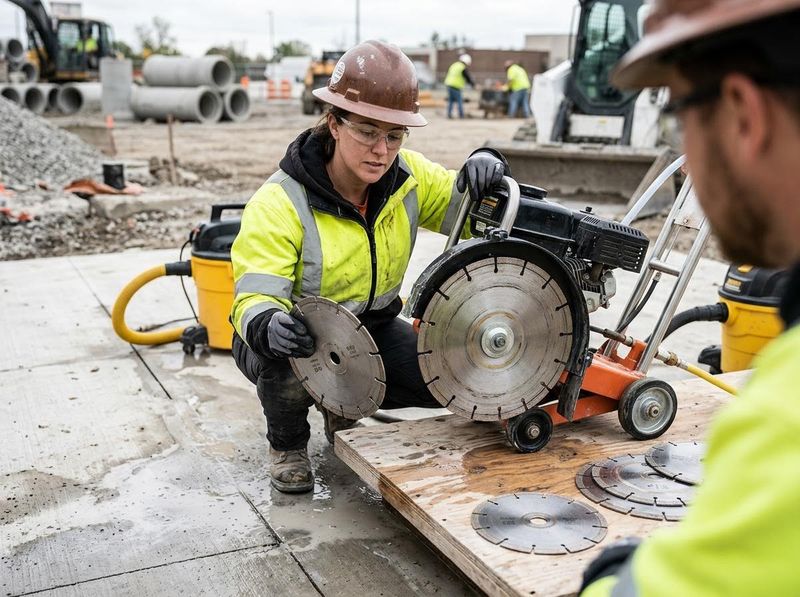
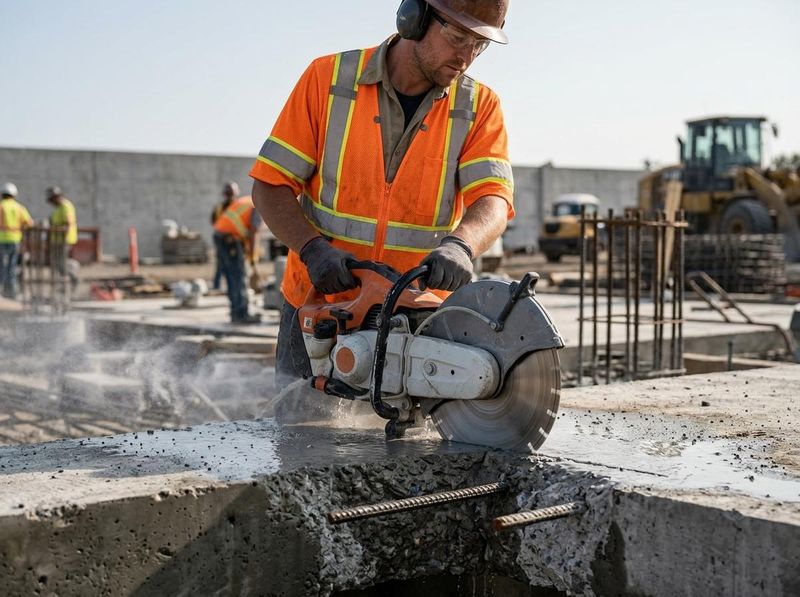
The synergy between the segments and the bond is what makes a diamond blade truly high-performance. Choosing the right combination is essential for efficiency, blade longevity, and worker safety. For heavy-duty applications like cutting through concrete with rebar, you need a blade with a bond that can effectively expose new diamonds as it grinds through tough materials. When considering wet vs dry concrete cutting, the bond formulation is also crucial; wet cutting often allows for softer bonds and higher diamond concentrations due to the cooling and lubrication provided by water. Specialized tasks, such as how to cut ductile iron pipe, require blades with specific segment designs and bond hardness to handle the unique properties of that metal without excessive wear or blade damage. Incorrectly matching a blade to its application can lead to slow cutting, premature blade wear, or even blade failure.
Enhancing Performance and Longevity
Beyond just segments and bonds, factors like consistent pressure, appropriate RPMs, and adequate cooling significantly extend a blade’s life and optimize its cutting performance. For instance, dry cutting operations often require blades with more heat-resistant bonds and segments designed for air cooling. Experienced operators understand that maintaining the right balance ensures diamonds are always working optimally, leading to faster cuts and a lower cost per cut. Investing in high-performance blades that are correctly specified for your equipment and material means fewer blade changes, less downtime, and ultimately, a more productive job site.
Understanding the intricate relationship between diamond blade segments and the bond matrix is fundamental to unlocking superior cutting performance and achieving exceptional value. This knowledge empowers you to select the right tool for every task, enhancing efficiency and extending blade life across all your projects. To explore a comprehensive range of precisely engineered diamond blades tailored for every cutting challenge, we invite you to browse the extensive selection available at Diamond Blade Warehouse.