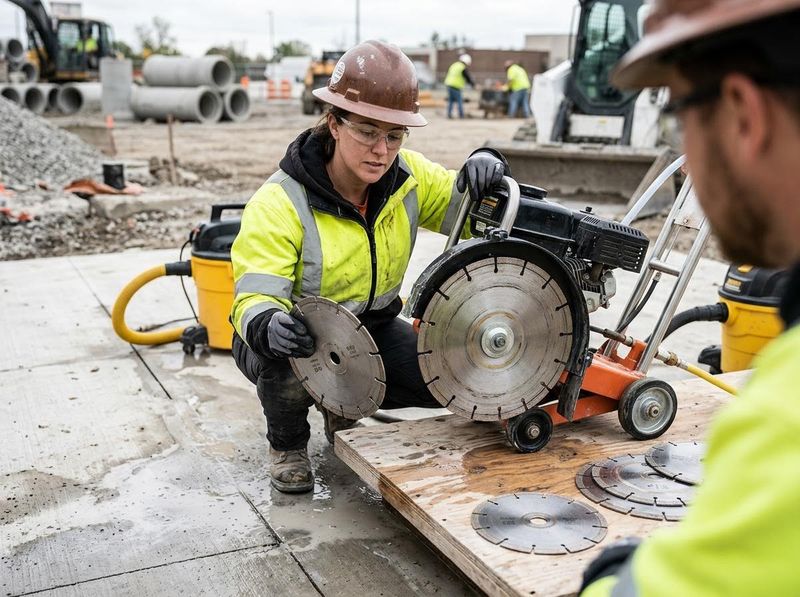
Troubleshooting Common Diamond Blade Cutting Issues
On any job site, efficiency and reliability are paramount, and when your diamond blade isn’t performing as expected, it can bring an entire project to a halt. Understanding the common issues that can arise with diamond blades and knowing how to troubleshoot them is crucial for maintaining productivity and ensuring project timelines are met. At Diamond Blade Warehouse, we believe in empowering our customers with not just the best tools, but also the knowledge to use them effectively and resolve common challenges swiftly.
Diagnosing Blade Wear and Performance Issues
One of the most frequent problems encountered is premature blade wear or reduced cutting efficiency. This often manifests as slow cutting, excessive dust, or segments that appear dull or glazed. A key factor to consider here is whether you are performing wet vs dry concrete cutting; using a dry cutting blade for an application that requires wet cooling can lead to overheating and glazing, where the bond hardens, preventing new diamonds from being exposed. Conversely, using a wet blade dry can cause significant damage. Ensuring you know how to choose a diamond blade appropriate for the material and cutting method is fundamental to preventing these issues. Inspect the blade for uneven wear or missing segments, which can indicate improper usage or a defect.
Overcoming Material-Specific Cutting Challenges
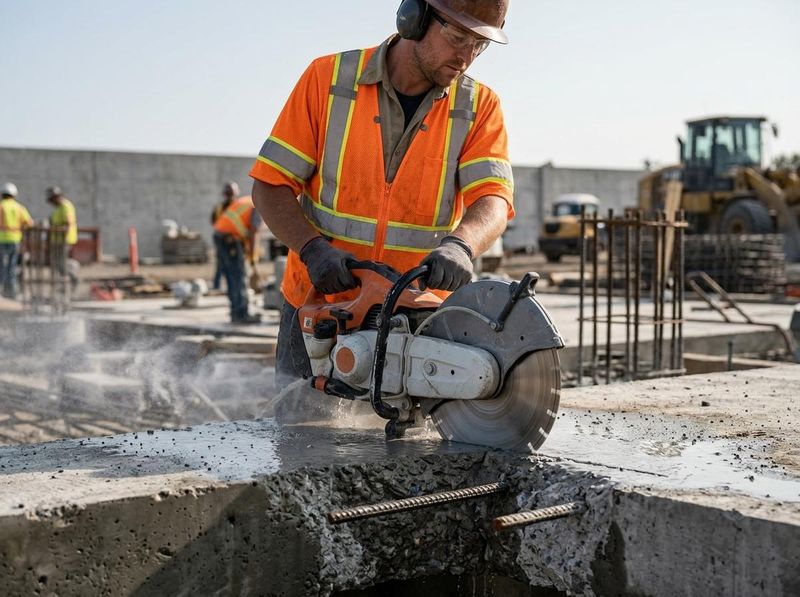
Different materials present unique cutting demands, and a common troubleshooting step involves assessing if the blade matches the material’s characteristics. For instance, when tackling challenging materials like concrete embedded with rebar, selecting the best diamond blade for reinforced concrete is critical. These blades are specifically engineered with softer bonds to wear away more quickly, exposing new, sharp diamonds as they encounter hard aggregates and steel. Similarly, for precision and clean cuts on various masonry products, having the best masonry saw blade designed for brick, block, or stone will prevent chipping and extend blade life. When faced with highly specialized tasks, such as how to cut ductile iron pipe, specific blade compositions are necessary to prevent segment loss and ensure a clean, efficient cut. Using a general-purpose blade on specialized materials is a common cause of poor performance.
Machine and Operator-Related Problems
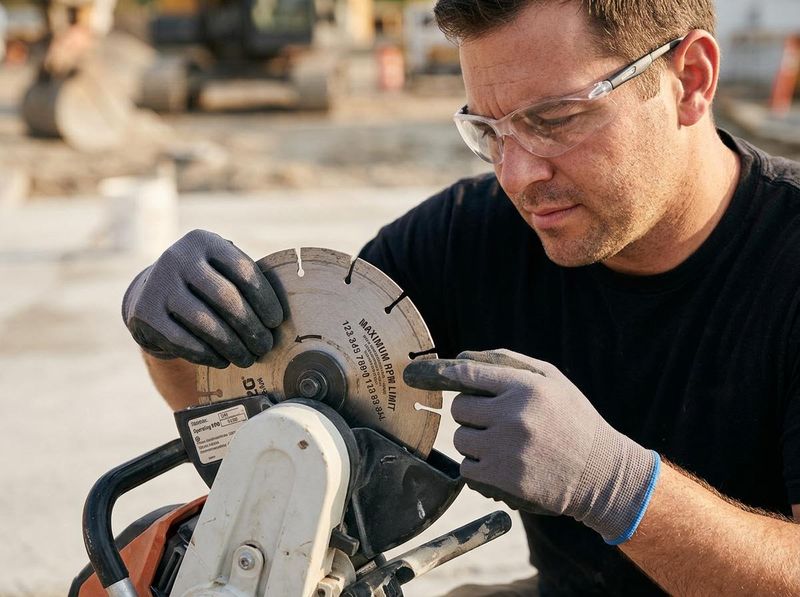
Sometimes, the issue isn’t directly with the blade itself, but rather with the saw machine or the operating technique. An underpowered saw, for example, may not allow the blade to reach its optimal RPM, leading to inefficient cutting and excessive friction. Similarly, applying too much or too little pressure, known as feed rate, can cause problems. Too much pressure can overheat the blade and cause segments to delaminate, while too little pressure can lead to glazing, especially on hard materials. Ensure the saw’s arbor is clean and free of debris, as wobble can cause uneven wear. Regular maintenance of your saw equipment, coupled with adherence to recommended operating procedures, plays a significant role in maximizing blade performance and longevity.
Effectively troubleshooting diamond blade issues on the job site is about more than just fixing a problem; it’s about optimizing performance, extending tool life, and ensuring project safety. By understanding the nuances of wet vs dry concrete cutting, knowing how to choose a diamond blade specifically tailored for materials like reinforced concrete or ductile iron pipe, and maintaining proper machine and operator technique, you can overcome most cutting challenges. To explore our comprehensive range of high-performance diamond blades and gain deeper insights into their optimal use, consider visiting the Diamond Blade Warehouse online resource center.